
SECTION 22 AD-HOC COMMITTEE
The Section 22 Ad hoc Committee for the Christian Sector was established on 02 October 2025 under Section 22 of the CRL Rights Commission Act, 2002 (Act 19 of 2002). In December 2025, the Committee published a Draft Self-Regulatory Framework for the Christian Sector for consultation, a voluntary initiative by Christians, for Christians. Its purpose is to:
• Promote ethical leadership, transparency, and accountability within Christian organisations;
• Protect vulnerable members of congregations from exploitation and abuse;
• Restore and strengthen public trust in the Church;
• Respect the constitutional freedoms of religion and belief enshrined in Sections 15 and 31 of the Constitution.
This is not about state control or regulation of religion. The framework is voluntary. It proposes no state-imposed licensing or government oversight. Instead, it invites churches to hold themselves to a common standard of integrity, governance, and pastoral care, a standard developed by the Church, for the Church.
The Draft Framework will only be credible and effective if it reflects the diverse realities of churches across South Africa, from large denominations to small fellowships, from urban congregations to rural ministries, from well-established churches to emerging movements.
About us
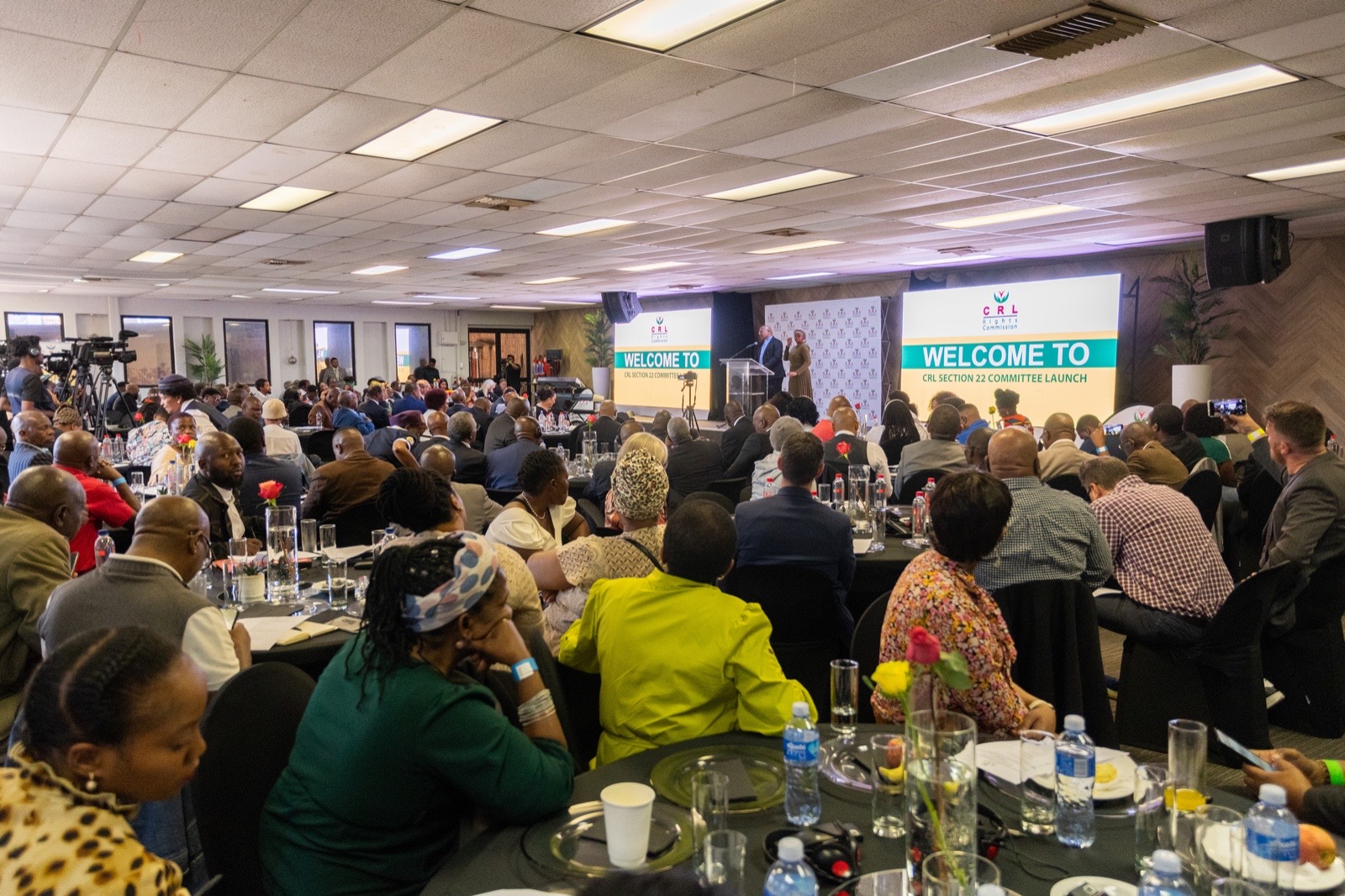
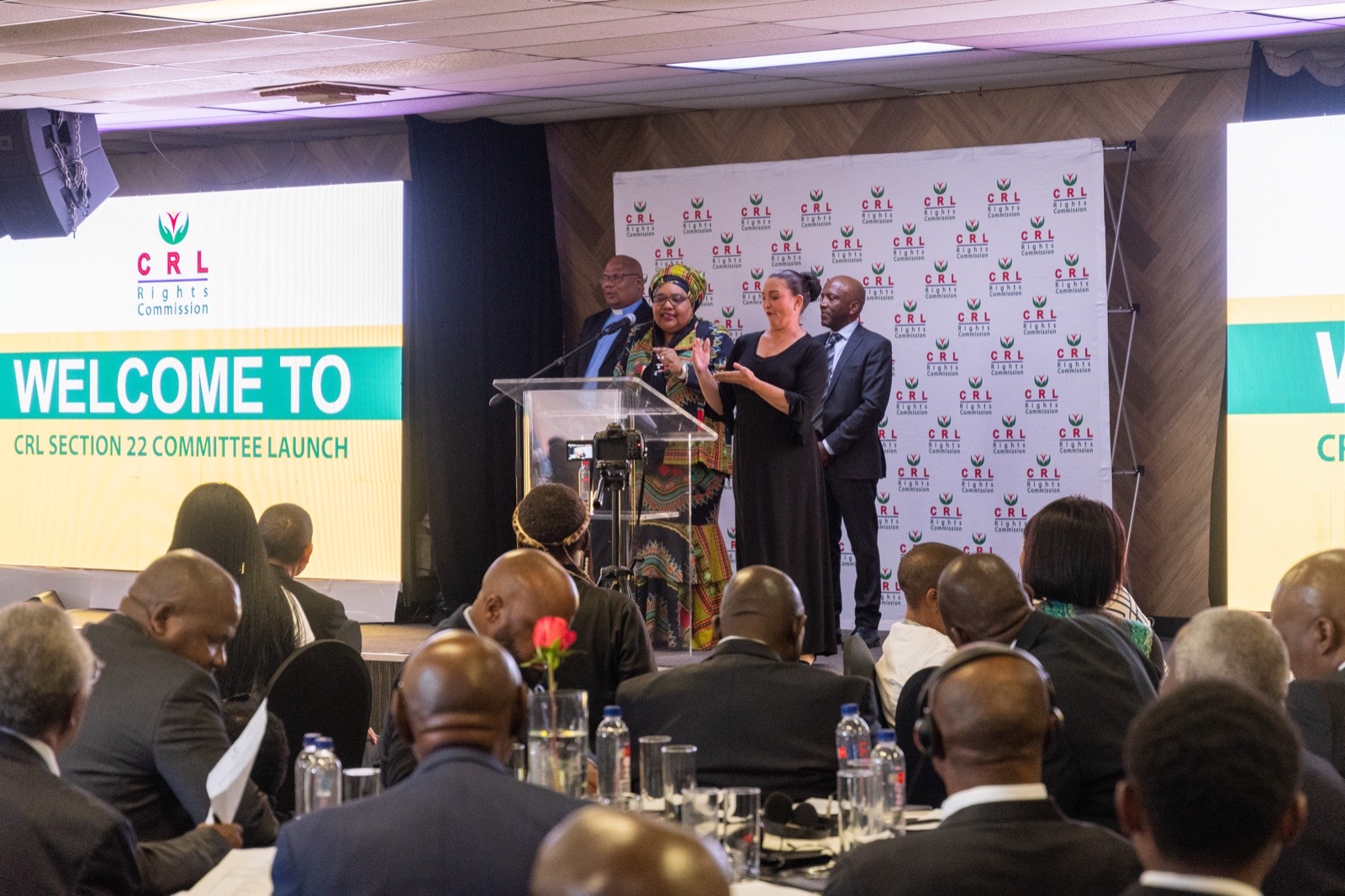
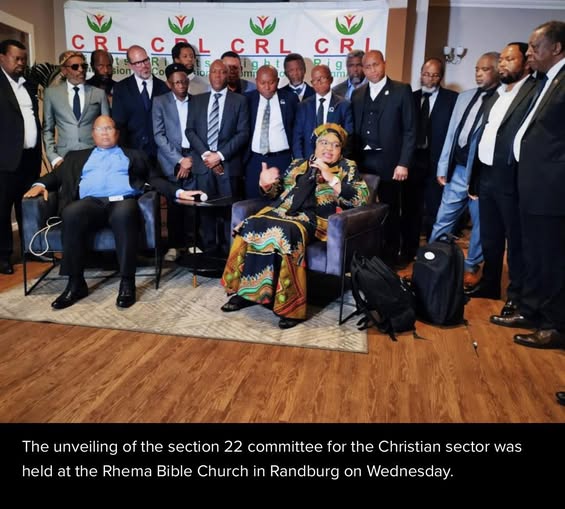
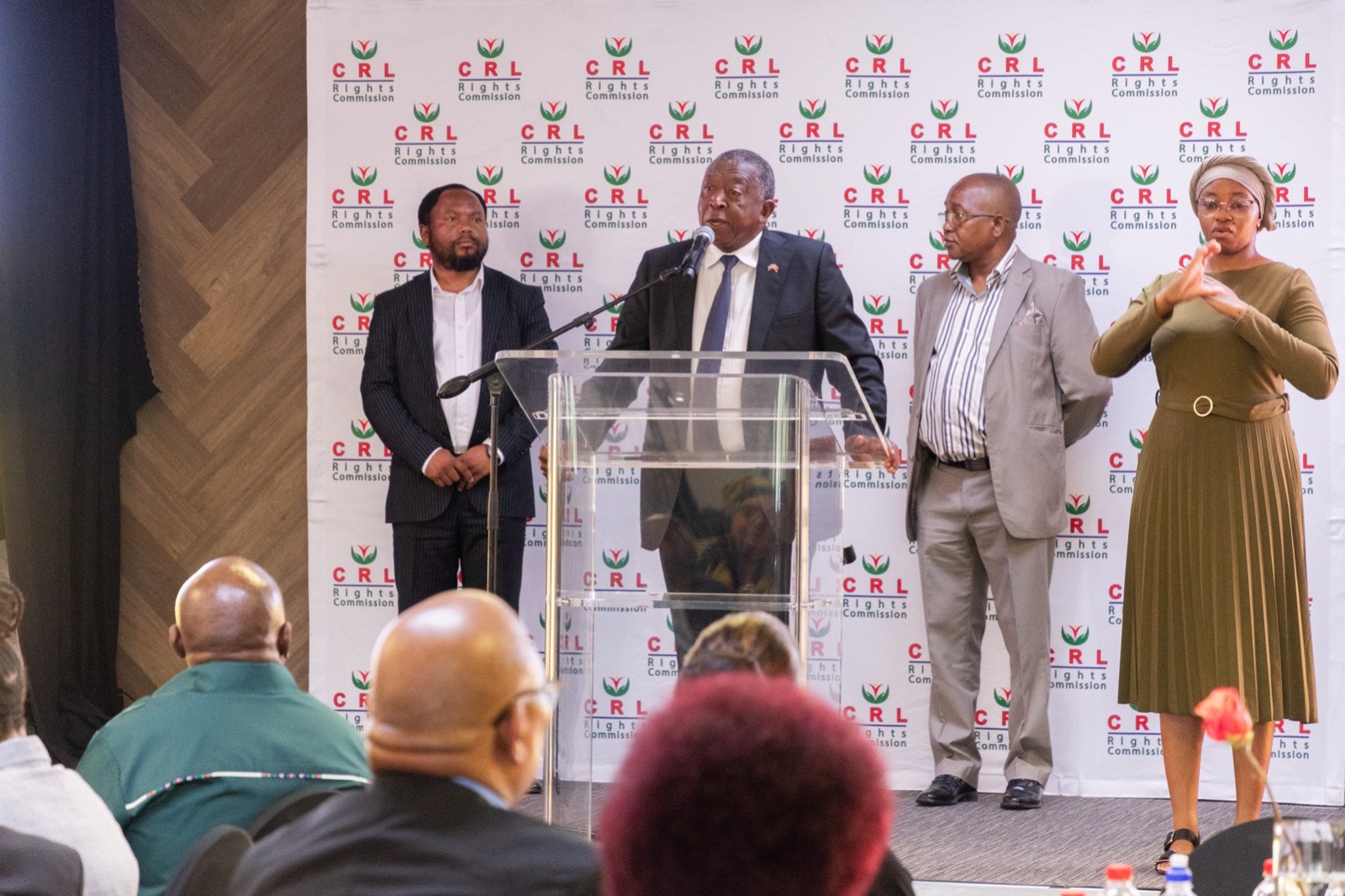
A significant milestone for the Christian faith community was witnessed on 02 October 2025 when members of a Section 22 committee were announced at Rhema Bible Church in Randburg, officially conferring an immense responsibility into their hands. The Commission for the Promotion and Protection of the Rights of Cultural, Religious, and Linguistic Communities (“the Commission”) invoked Section 22 of the CRL Rights Commission Act to establish a Section 22 Committee, which has thus far been constituted and comprises Christian religious leaders from various umbrella organisations, including, inter alia, mainline, independent, charismatic, and Pentecostal churches.
Among its members is: Council of African Independent Churches (CAIC), Ebuhleni Nazareth Baptist Church, Gauteng Nazareth Baptist Church, Ginyezinye Nazareth Baptist Church, Moral Regeneration Movement, Rhema Bible Church, South African Council of Churches, St Engenas Zion Christian Church, The Evangelical Alliance of South Africa, The Great Commission, Thembezinhle Nazareth Baptist Church, Zion Christian Church.
The Section 22 Ad hoc Committee for the Christian Sector mandate is to facilitate broad consultations and conduct dialogues within twelve months that would result in mechanisms and strategies to identify and address challenges in the sector, halt the harmful practices exhibited by few within the Christian sector, thereby ensuring an effective implementation of the Portfolio Committee on Cooperative Governance and Traditional Affairs (CoGTA)’s recommendations regarding self-regulation of the Christian sector.
The Committee functions independently, with support from CRL staff for secretariat and logistical arrangements.

Documents & Notices
Popular Questions
The Framework Imposes “State Control” or Creates a State vs. Church Conflict
What the Draft Framework Says:
- Section 1 (Preamble) explicitly acknowledges and rejects this narrative: “NOTWITHSTANDING that any form of regulating the Christian sector, including self-regulation, is used as a scarecrow to instil fear and hype up negativity towards the Section 22 Committee.”
- Section 7.1 is unequivocal: “This draft self-regulatory framework is not about state control of religion. It is a proactive, voluntary initiative by the Christian community…”
- Guiding Principle 1 is “Autonomy with Responsibility,” defined as respect for doctrinal independence balanced with voluntary ethical self-governance.
Verdict:
UNTRUE. The framework proactively detects and dismisses this particular scare tactic. The Draft Framework is constitutionally based and voluntary.
The Mandate is to Impose a Complusory “Legislative Framework”
What the Framework Says:
- The document is consistently titled a “Self-Regulatory Framework.”
- Section 2.3 covers creating a framework for establishing a Christian-led “Practice Council” and for voluntary registration. The implementation mechanism (Section 6) is the independent Christian Practice Council for Ethics and Accountability (CPCEA), not a government legislature.
- The entire Section 6 details a sector-owned implementation mechanism.
Verdict:
MISREPRESENTATION. The “legislative framework” in the mandate refers to the enabling structure for a sector-led self-regulatory system, as detailed in the draft. The outcome is a voluntary code and council, not a state-imposed law.
The Committee Seeks to Undermine Theological Diversity or Specific Doctrines
What the Framework Says:
- Guiding Principle 6 is “Considerate,” requiring accommodation of all Christian institutions “regardless of… type of Christian institution, e.g., traditional versus contemporary.”
- The Glossary defines “Christian Organisations” as “united by faith but varying in structure, governance, practice, worship, service and activities.”
- The Pillar on Ethical Conduct (5.2) regulates behaviour, not belief. It neither mentions nor interferes with specific doctrines, such as the Five-Fold Ministry or Absolution.
Verdict:
UNTRUE. The framework is doctrinally neutral. Its purpose is ethical and governance standards, respecting all theological traditions within Christianity.
The Process is Exclusionary, Politicised, or Racialised
What the Framework Says:
- Annexure A presents a comprehensive Roadmap and Consultation Process involving 13 stakeholder groups, including all umbrella organisations, denominational leaders, abuse survivors, theologians, and the public.
- Section 5.2.8 (Code of Conduct) mandates treating all with dignity “irrespective of race, gender, ethnicity, or socio-economic status.”
- The framework’s primary purpose is to strengthen the church’s moral witness and public trust, not to engage in politics.
Verdict:
CONTRADICTED BY THE FRAMEWORK. The draft calls for a broadly inclusive, national consultation and explicitly prohibits discrimination. The claims are challenged by the document’s intended process and principles.
The Seal of Good Standing is a State Tool for Control
What the Framework (V2) Says:
- Section 6.2 clearly states that the “Seal of Good Standing” is awarded by the CPCEA, which is an independent body of Christian leaders and experts (6.1.1).
- Certification is for organisations that “voluntarily adopted” the framework (6.1.2.1).
Verdict:
UNTRUE. The Seal is a voluntary, sector-administered marker of accountability to help congregants and donors make informed choices. It is not a government license.
The Committee Ignores or Threatens Constitutional Religious Freedoms
What the Framework Says:
- The Preamble is anchored in Sections 15 and 31 of the Constitution and states the framework is published “under the auspices of both the Constitution and Commission… giving effect to the spirit and purport thereof.”
- Its entire rationale is to protect the rights of congregants, “ensuring adequate protection of the people’s Bill of Rights.”
Verdict:
UNTRUE. The framework is explicitly and repeatedly constitutional. It is designed to protect religious freedom by addressing internal abuses that tarnish the sector’s reputation and risk inviting external state intervention.
“Existing Laws are Sufficient; No Self-Regulation is Needed”
What the Framework Says and the Reality of the Situation:
- Section 5.3 explicitly acknowledges and requires compliance with all existing South African laws (tax, labour, POPIA, child protection, etc.). The framework reinforces this baseline.
- However, the Problem Statement (Section 3) details issues that existing laws do not adequately address: internal financial opacity (3.4, 3.5), unethical exploitation for “healing” (3.6, 3.7), doctrinal intolerance within the sector (3.1, 3.8), and the absence of common ethical standards (3.3). These are primarily internal governance, ethical, and relational issues within the religious community.
- The framework’s main pillars of Internal Governance, Accountability, and a Code of Ethical Conduct (Sections 5.1 & 5.2) aim to address this gap. They create a voluntary, sector-specific standard for best practice that operates alongside, and beyond, the minimum legal requirements.
- Conclusion 7.2.4 states that the framework addresses “the most common causes of institutional failure globally,” which are often failures of internal ethics and oversight, rather than necessarily violations of criminal statutes.
Verdict:
A MISLEADING HALF-TRUTH. While it is true that churches must obey national laws, this argument neglects the documented governance and ethical shortcomings within the sector that enable abuse. Laws like the NPO Act ensure basic registration but do not enforce internal financial controls or ethical pastoral boundaries. Criminal law responds to fraud or assault but does not prevent the toxic cultures that allow them. The self-regulatory framework is specifically designed to complement existing laws by promoting proactive, internal systems of accountability that prevent harm and foster trust, which general legislation cannot.
Get In Touch With Us
CALL US: 011 358 9119
EMAIL US: Section22.Christian@crlcommission.org.za